
As the UK sun finally decides to make an appearance, most of us are busy thinking about garden parties, keeping the kids entertained, and perhaps a bit of well-deserved relaxation. However, there is one member of your household that works harder when the temperature rises, and it often goes completely unnoticed until something goes wrong: your water softener.
In summer, our water usage habits shift dramatically. We take more showers to stay cool, we run the washing machine more often for summer clothes, and we might even have guests staying over for the holidays. This spike in activity means your water softener is working overtime to keep that limescale at bay. Unfortunately, it also means that the standard maintenance routine you followed in winter might not be enough.
At Halite Salts, we see the same issues cropping up every year. As we have discussed with many of our regular customers, a few simple tweaks to your routine can save you from a major headache (and a hefty repair bill). In short, summer requires a bit more vigilance.
Here are the 7 most common mistakes people make with their water softener salt during the summer months: and, more importantly, how you can fix them to keep your home running smoothly.
1. Letting the Salt Level Drop Too Low
It sounds obvious, but you’d be surprised how often it happens. Because we use more water in the summer, the softener needs to regenerate more frequently. This means it consumes salt at a much faster rate than it does in January.
If you usually check your tank once a month, you might find that by the time you look in July, you’ve been running on hard water for a week. Hard water doesn't just affect the "feel" of your shower; it immediately starts depositing limescale in your kettle and on your heating elements.
How to fix it: During peak summer months, we recommend checking your salt levels every two weeks. If you’re the type who prefers to "set it and forget it," our subscription service is a lifesaver. You can get regular deliveries of our 99.9% pure PDV salt right to your door, so you never have to worry about running out.
2. Dealing with the Dreaded "Salt Bridge"
Summer humidity can be a real enemy of your water softener. When the air is moist and the temperatures are high, the salt in your tank can clump together, forming a hard crust known as a "salt bridge."
This creates an air gap between the salt and the water at the bottom. Your tank looks full when you glance at it, but the water isn't actually reaching the salt to create the brine needed for regeneration. You’ll be left wondering why your water feels "chalky" even though the tank is topped up.

How to fix it: Don't just look at the salt: give it a gentle poke! Use a broom handle to push down on the salt. If it feels like a solid floor rather than loose blocks or tablets, you’ve got a bridge. Gently break it up and, in the future, avoid overfilling the tank to the very top in humid weather. Keeping it between half and three-quarters full allows for better air circulation.
3. Settling for Low-Purity Salt
In a rush to stock up, it’s tempting to grab whatever bag of salt is closest at the supermarket. However, not all salt is created equal. Cheap, low-purity salt often contains impurities and additives that don't dissolve. Over time, these settle at the bottom of your tank, creating a thick, muddy "sludge" (also known as salt mushing).
This sludge can clog the intake valves and even damage the internal resin of your machine. Once again, what seemed like a small saving at the checkout turns into a large bill for a service engineer.

How to fix it: Stick to premium PDV (Pure Dried Vacuum) salt. Our Halite Salts are guaranteed 99.9% pure. Because they are refined through a specialized vacuum process, they dissolve evenly without leaving any residue or clumps behind. Using high-quality salt is the single best way to extend the life of your softener.
4. Using Softened Water for the Garden
We all want a lush green lawn, but your water softener isn't interested in your grass. Watering the garden with softened water is a double mistake: first, it wastes an incredible amount of salt, and second, the sodium content in softened water can actually be detrimental to some sensitive plants over time.
How to fix it: Most homes have a "bypass" valve. If you’re planning a long afternoon of watering the lawn or filling up a paddling pool, switch the softener to bypass mode. Even better, ensure your outdoor tap is connected to the hard water supply before it reaches the softener. This simple move will save you bags of salt over the summer season.
5. Ignoring Increased Water Usage from Guests
Summer is the season for houseguests. Whether it’s family visiting for a week or a weekend BBQ with friends, more people means more toilet flushes, more dishes, and more laundry. Your softener is programmed to handle a certain amount of water, and a sudden spike can catch it off guard.

How to fix it: If you know you have guests arriving, top up your salt tank in advance. Some modern softeners have a "manual regeneration" or "boost" button. If the house has been particularly busy, it doesn’t hurt to trigger an extra regeneration cycle to ensure everyone enjoys the luxury of soft water.
Note: While soft water is generally preferred for washing, always consult with a professional regarding the sodium content of softened water if you have specific dietary or medical requirements, such as a high-blood-pressure diet.
6. Buying in Small Batches
The "little and often" approach to buying salt is exhausting and often more expensive. In the summer, when usage is high, you'll find yourself constantly running to the shops. This also increases the risk of you "making do" for a few days without salt when you're too busy to go, which allows limescale to start building up in your pipes.

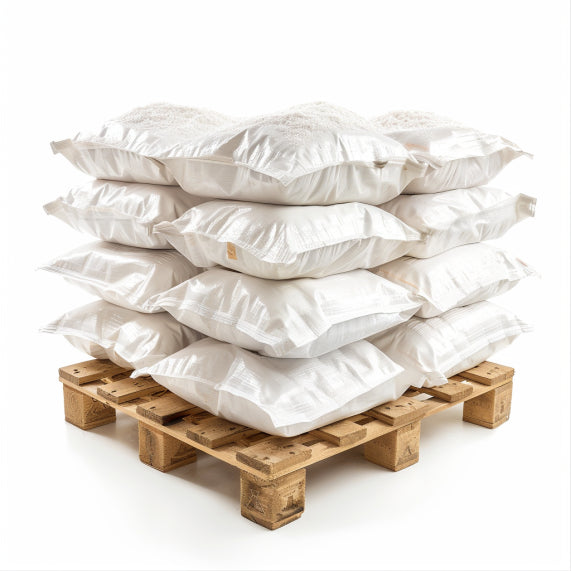
How to fix it: Buy in bulk or set up a subscription. We offer bulk purchasing options that significantly lower the cost per bag. Plus, having a few extra packs of block or tablet salt in the garage means you’re always prepared for those unexpected summer heatwaves.
7. Forgetting the Financial Benefits of Prevention
It’s easy to look at a bag of salt as just another household expense. But the final mistake many make is forgetting why we use it. Soft water protects your home's most expensive assets. Limescale acts as an insulator; just a few millimeters of buildup on your boiler's heating element can increase your energy bills by up to 25%.
In summer, we might not be using the heating, but our dishwashers and kettles are working just as hard. Skipping the salt is essentially inviting damage to your appliances.

How to fix it: View your salt purchase as an investment in your home. By using 99.9% pure Halite Salts, you are ensuring that your appliances stay efficient and your laundry stays soft and bright. As we have discussed, the cost of a few bags of salt is a fraction of the cost of replacing a washing machine or calling out a plumber to descale your pipes.
In Summary
Summer should be about enjoyment, not worrying about your plumbing. By avoiding these common mistakes: checking your levels more often, breaking up those salt bridges, and sticking to high-purity PDV salt: you can ensure your home stays protected all season long.
Whether you prefer the convenience of block salt for your modern unit or tablet salt for a standard system, we have you covered.
Ready to summer-proof your home?
Explore our range of premium salt products and join the thousands of UK homeowners who trust Halite Salts for their water softening needs. We offer next-day delivery across the UK and a 5% saving on all subscriptions.
If you have any questions about which salt is right for your machine, don't hesitate to contact our expert team. We’re always here to help you get the best out of your water softener!
